A Logical Re-Examination of Relic Custodianship in Buddhist History
A Question Rarely Asked
Traditional Buddhist history tells us that India, the land where the Buddha supposedly lived,
gave away almost all of his most sacred relics — including bodily relics and symbols of sovereignty —
to Sri Lanka, a separate island kingdom.
This story is repeated so often that it is rarely questioned.
But when examined through history, archaeology, and common human behavior,
a simple question arises:
Has any civilization in history ever permanently given away the most sacred relics of its greatest spiritual figure to another country?
To answer this, we must first understand what relics are,
then examine what Sri Lanka actually possesses,
and finally ask whether the traditional explanation truly makes sense.
What Are Buddhist Relics — and Why They Matter
In Buddhism, relics are not mere religious objects.
They fall into three major categories:
- Śārīrika Dhātu – bodily relics (tooth, hair, bones, nails, urna hair, forehead relics)
- Paribhogika Dhātu – objects used by the Buddha (alms bowl, robe, staff, belt)
- Uddesika Dhātu – memorial or symbolic relics (images formed from cremation remains)
Among these, bodily relics — especially the Tooth Relic — are supreme.
In South Asian Buddhist political culture, the Tooth Relic legitimizes kingship.
A ruler who safeguards it is seen as:
- the rightful protector of the Dhamma
- the legitimate sovereign of the land
This is why the Tooth Relic was never treated as a casual gift.
The Traditional Story: How Sri Lanka “Received” the Relics
According to later chronicles:
- After the Buddha’s Parinirvāṇa, relics were divided
- Emperor Ashoka later opened stupas and redistributed relics
- Portions were sent to various Buddhist lands, including Sri Lanka
This explanation is often used to justify why Sri Lanka holds such an extraordinary number of relics.
But here is the problem 👇
Ashoka:
- lived over 200 years after the Buddha
- redistributed small portions, not entire relic systems
- sent relics to many regions, not one central island
Yet Sri Lanka alone preserves:
- the Tooth Relic
- hair, nails, bones, urna hair, forehead relic
- alms bowls and other objects
- cremation ashes and charcoal
- relics of major arahants
This is not the pattern of partial redistribution.
This is the pattern of primary custodianship.
A Simple Historical Test (No Religion, Just Logic)
Let us apply the same test to other civilizations:
- Did Egypt give away the body of a Pharaoh to another land? ❌
- Did Rome give away the remains of Caesar to another country? ❌
- Did China give away Confucius’s bodily relics to a foreign kingdom? ❌
- Did India ever give away all core relics of any other figure? ❌
In history:
- Sacred remains stay where continuity is strongest
- At most, symbolic fragments are shared
What Sri Lanka holds is far beyond symbolic fragments.
The Sri Lankan Relic System: Island-Wide and Complete
Below is a condensed, categorized list of the relics, with context.
1️⃣ The Tooth Relics (Symbols of Sovereignty)
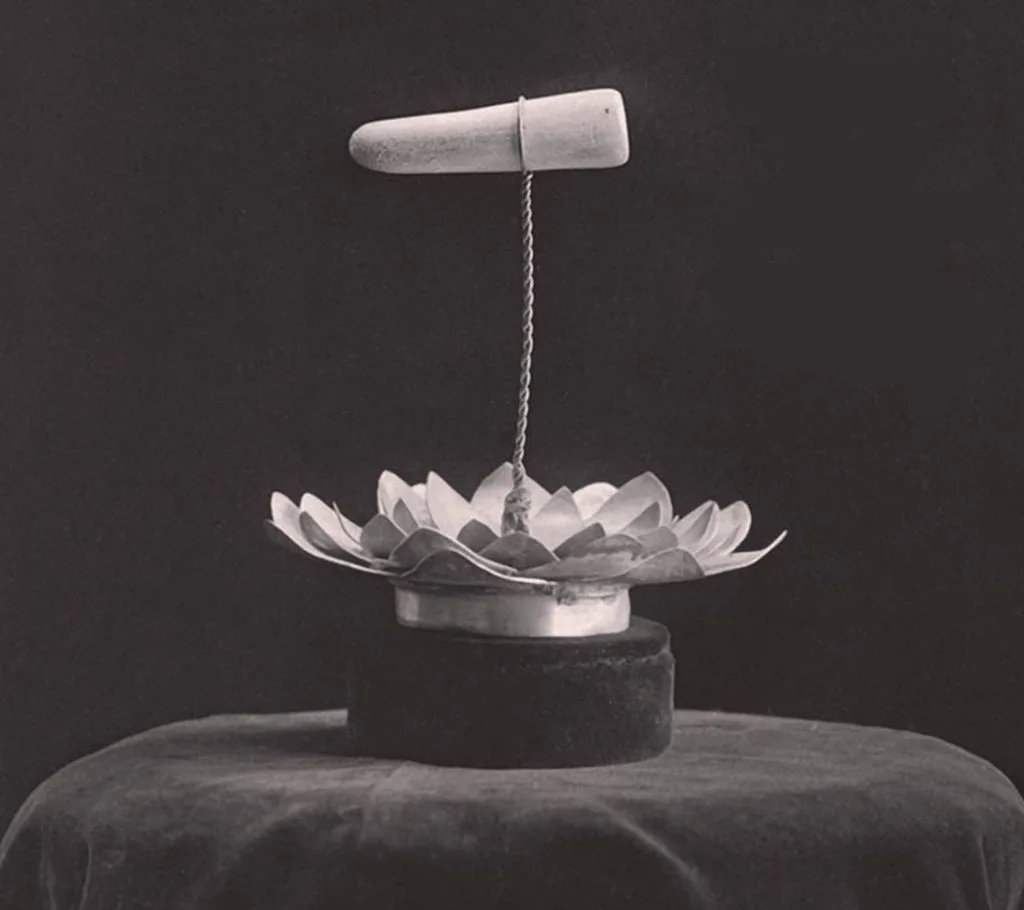
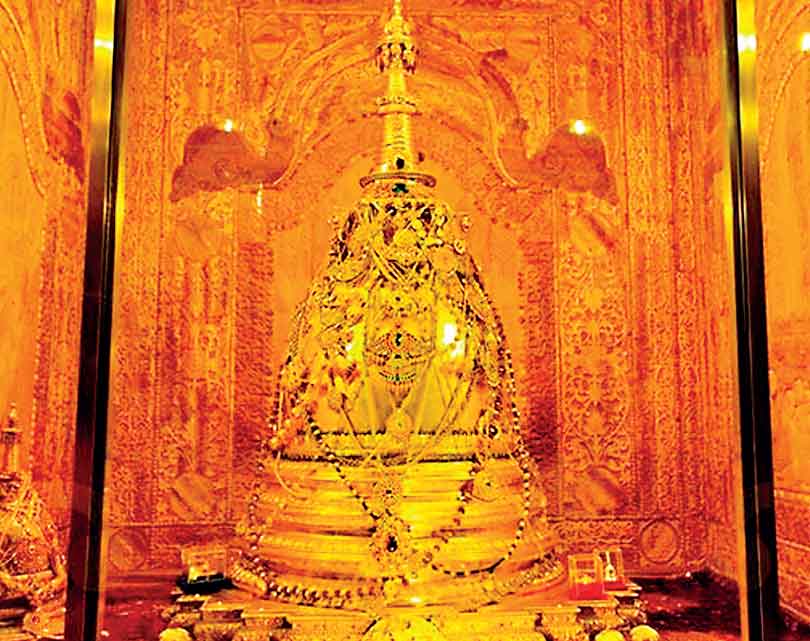
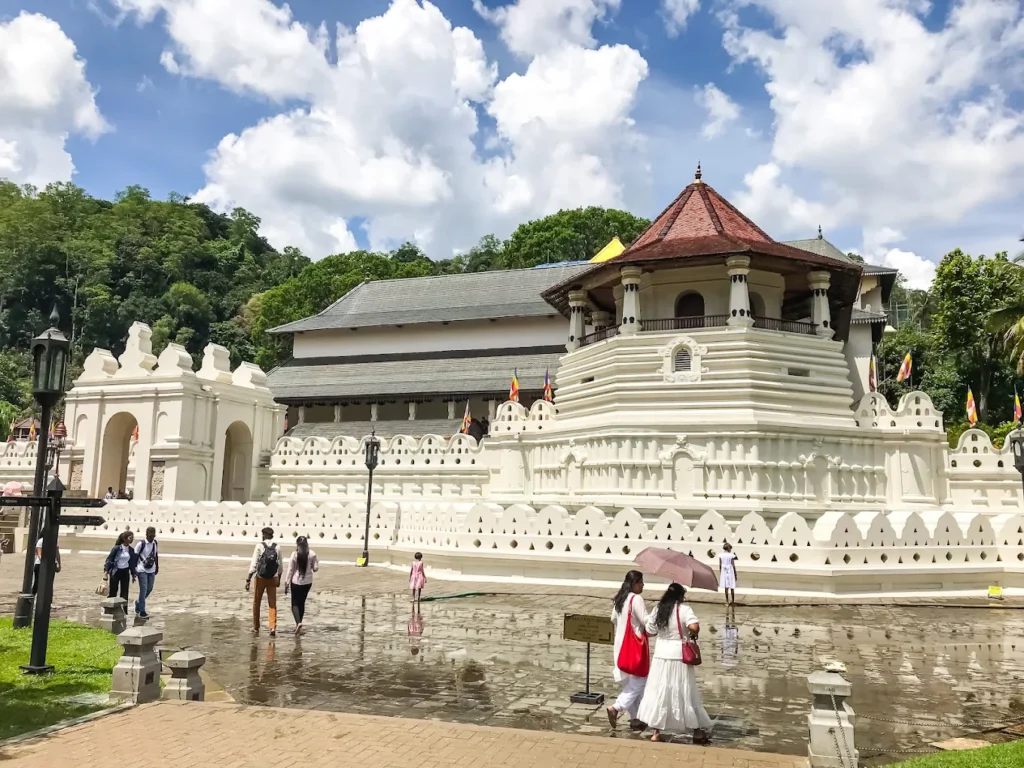
- Left Tooth Relic – Sri Dalada Maligawa
- Right Tooth Relic – Somawathi Raja Maha Viharaya
- Lower Tooth Relic – Yatala Maha Seya
- Tooth Relic – Velgam Vehera
- Mahākassapa Thera’s Tooth Relic – Galapatha Raja Maha Viharaya (Bentota)
➡️ No civilization gives away multiple tooth relic traditions unless it already sees itself as custodian.
2️⃣ Hair Relics (Kesa Dhātu)
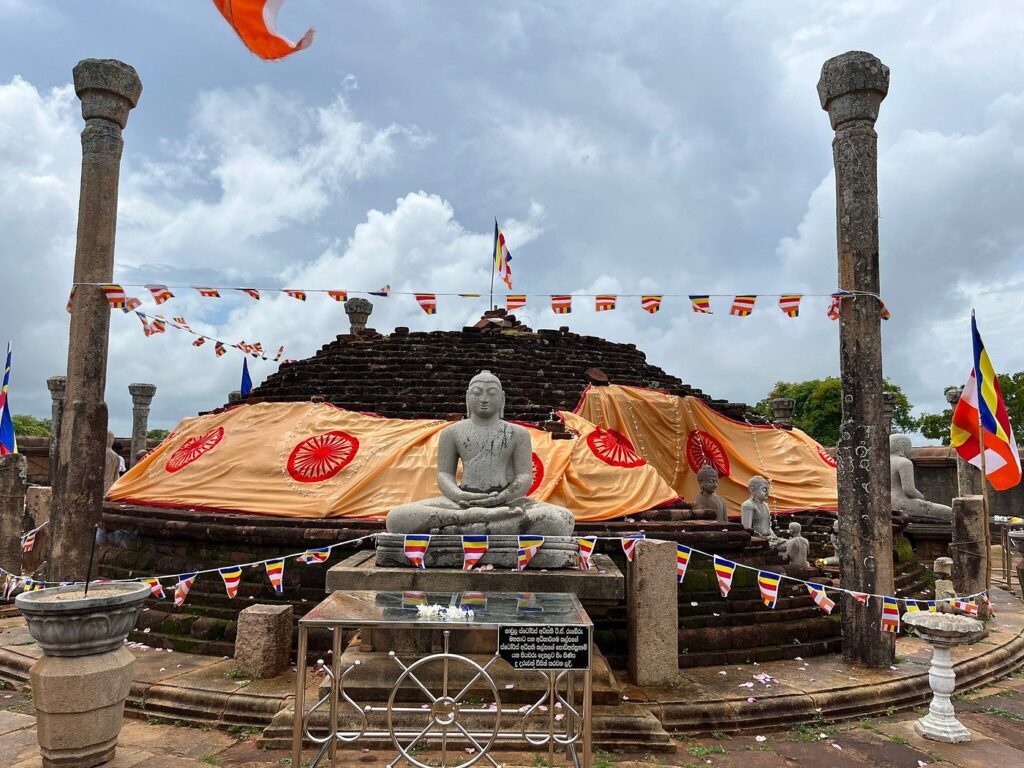
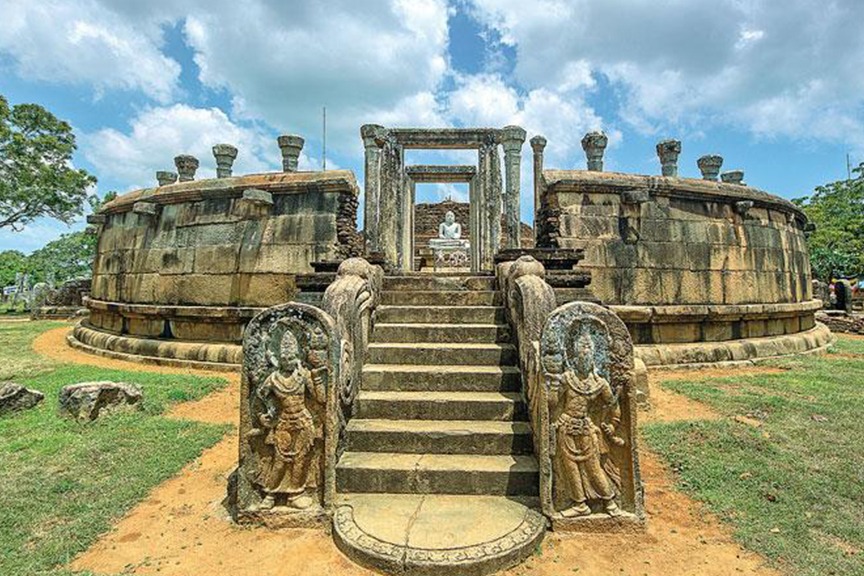
- Girihandu Seya
- Kelaniya Raja Maha Viharaya
- Kiri Vehera (with sword tradition)
- Makulana Raja Maha Viharaya
- Silumina Seya
- Gota Pabbatha Raja Maha Viharaya
- Muthiyangana Raja Maha Viharaya (with pearl relics)
➡️ Hair relics are usually preserved locally, not transported across seas in bulk.
3️⃣ Nail Relics (Nakha Dhātu)
- Nakha Vehera
- Deegawapi Maha Stupa
4️⃣ Major Bodily Relics
- Right Shoulder Bone – Thuparamaya
- Waist Relic – Jetavanaramaya
- Forehead Relic (Lalāṭa Dhātu) – Seruwawila Raja Maha Viharaya
- Urṇā Hair Relic – Mihintale
- Neck Relic (trad.) – Mahiyangana Raja Maha Viharaya
5️⃣ Alms Bowl & Object Relics (Paribhogika)
- Kithsiri Mewan Rajamaha Viharaya
- Ramba Raja Maha Viharaya
- Beligala Raja Maha Viharaya
- Kottiyarama Mula Maha Viharaya
- Natha Devalaya
- White Staff – Neelapola Raja Maha Viharaya
6️⃣ Cremation & Post-Cremation Relics (Extremely Rare)
- Cremation charcoal – Henannegala Cave Viharaya
- Gold images formed from cremation remains:
- Wattarama
- Madanwala
- Pusulpitiya
- Haloluwa Katarangala
➡️ These are site-memory relics, not missionary gifts.
7️⃣ Arahant Relics
- Ānanda & Aṅgulimāla – Yatihalagala
- Sāriputta–Moggallāna – Buddhangala
Why the Traditional Explanation Is Weak
To accept the traditional story fully, one must believe that:
- India gave away sovereign relics
- India gave away cremation remains
- India gave away disciples’ relics
- India retained almost none with continuous ritual protection
This contradicts:
- human behavior
- political history
- religious custodianship norms
A More Plausible Explanation
A simpler explanation fits the evidence better:
- Sri Lanka preserved early and continuous Buddhist custodianship
- Relics accumulated where ritual, kingship, and memory never broke
- Ashoka’s missions reinforced, not created, this system
- India later became a textual and pilgrimage landscape, not a relic center
Conclusion: Custody vs Story
Stories travel easily.
Pilgrimage routes shift.
Empires rise and fall.
But relic systems like this do not form by accident.
Sri Lanka does not look like a land that received everything.
It looks like a land that never let go.